- Posted on
- • Movies and Editing
From Razor Blades to Timelines: How Film Editing Evolved
- Author
-
-
- User
- CutPrintFilm-John
- Posts by this author
- Posts by this author
-
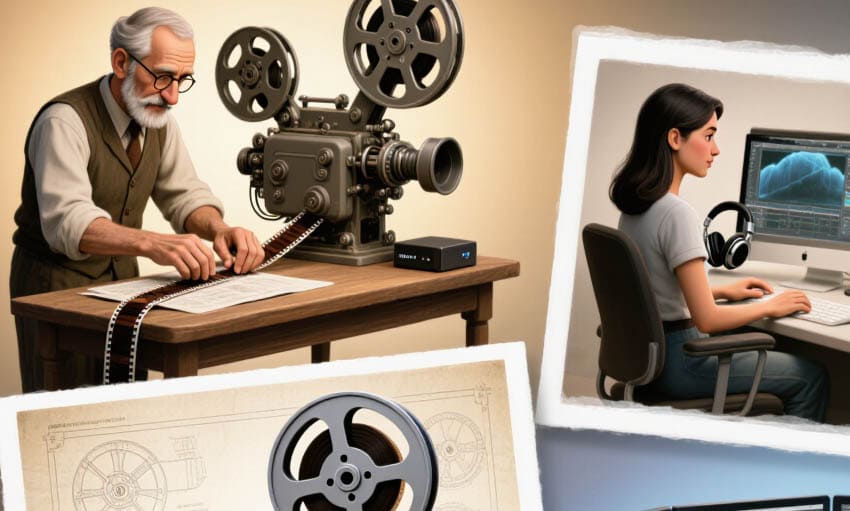
About 80 years ago, in the mid-1940s, film editing was a hands-on, mechanical craft. Editors worked with razor blades, glue, and large machines like the Moviola. Later brands such as Steenbeck and KEM helped refine the process, but everything still depended on physically cutting and joining strips of film. Today, of course, editing is almost entirely digital done on software like Avid Media Composer, Adobe Premiere Pro, Final Cut Pro, and DaVinci Resolve. The craft itself is the same, but the workflow has completely transformed.
Editing Films 80 Years Ago
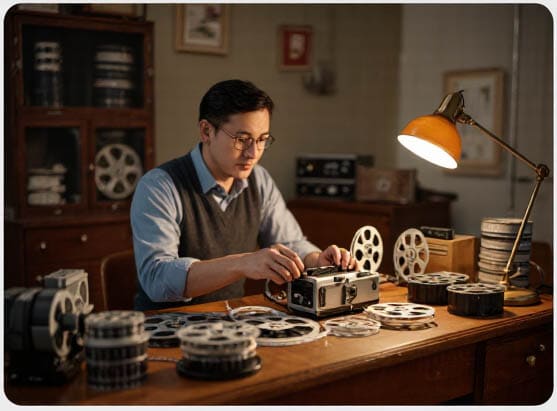
In the 1940s, movies were shot on 35 mm celluloid, and editors worked on workprints to avoid damaging the camera negative. Every shot, frame, and cut was physically handled. Editors hung trims on labeled hooks and reviewed scenes on the Moviola an upright machine that became a symbol of old-school editing rooms.
Basic tools included splicers, film cement, grease pencils, and rewinds. Early flatbed machines, especially by Steenbeck, gave editors a smoother way to view picture and sound together. It was a slow but methodical process. Personally, I find this tactile workflow fascinating there’s something charming about literally touching the story as you build it.
Early Electronic Editing
By the 1950s and 1960s, companies like Ampex introduced electronic video editing. Editors could now cut tape without physically slicing it, using linear controllers that copied material from one tape to another. It was still linear, meaning any early change required rebuilding everything from that point forward with YouTube to DVD Video Transfer, but it marked the first major step away from scissors and film cement.
The Birth of Non-Linear Editing
In the 1970s, CMX Systems released the CMX 600 the first true non-linear editor. It allowed editors to jump around footage, rearrange scenes instantly, and generate edit decision lists. This paved the way for systems that arrived in the late ’80s and early ’90s, including Avid Media Composer, which quickly became the industry standard for feature film editing.
Other brands such as Lightworks and Media 100 also helped shape early digital workflows, bringing editing into the computer age and making experimentation far easier than before.
Modern Editing Tools
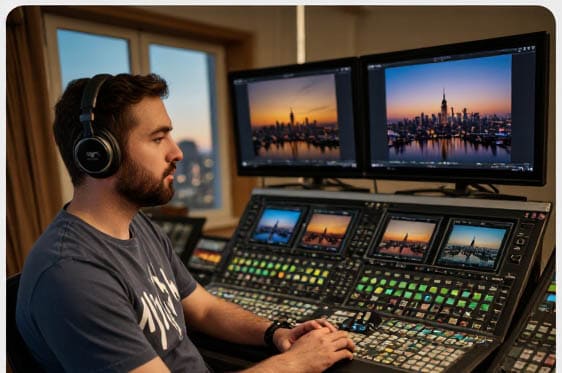
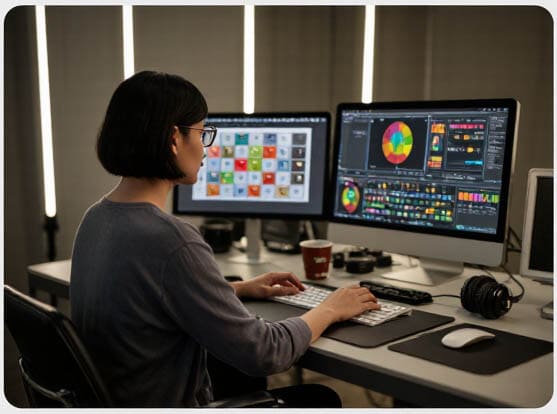
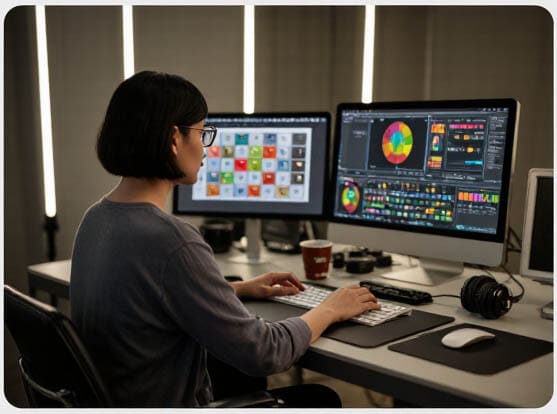
Today, editing is almost entirely non-linear and software-driven. Editors load digital footage into a computer, arrange shots in a timeline, and apply effects, titles, color grading, and audio work within the same environment. Collaboration is easier too teams can work from different locations using shared drives or cloud systems.
- Avid Media Composer – Popular for large productions and team workflows.
- Adobe Premiere Pro – Widely used for everything from YouTube to broadcast work.
- Apple Final Cut Pro – Fast, efficient, and favored by many indie creators.
- DaVinci Resolve by Blackmagic Design – A full suite for editing, color, audio, and VFX.
Hardware has evolved as well control panels, color grading consoles, and high-end storage systems have replaced film cans and grease pencils. Yet the essence of storytelling remains the anchor of the process. In my opinion, the modern tools are incredible, but sometimes the limitless options make it harder to commit to a creative choice compared to the older, more deliberate methods.
What Connects the Past and Present
Walking into a cutting room 80 years ago, you'd see a Moviola humming and reels of film everywhere. Today, you see powerful computers and software timelines instead. But despite the huge technological leap from Steenbeck tables to Avid, Premiere, and Resolve the purpose is unchanged: shaping a story through rhythm, structure, and emotion.
Whether editors were gluing film together in the 1940s or dragging clips on a digital timeline today, the heart of editing remains the same: turning raw footage into something meaningful.