
- Posted on
- • Movies and Editing
From Damaged Reels to 4K Masterpieces: How Film Restoration Really Works
- Author
-
-

- User
- CutPrintFilm-John
- Posts by this author
- Posts by this author
-
There's something magical about watching a classic film that looks as though it was made yesterday. Rich detail, vibrant colors, crisp audio—it's easy to forget that some of these movies are more than 50 or even 100 years old. When people watch a beautifully restored film, they often assume it's simply a matter of scanning an old reel into a computer and pressing a few buttons.
I can tell you from experience that it doesn't work that way.
Film restoration is a meticulous process that blends technical expertise, historical research, and a genuine love for cinema. Every project is different, and every frame tells a story—not just on screen, but in the physical condition of the film itself.
It All Starts with the Original Film
 .
.
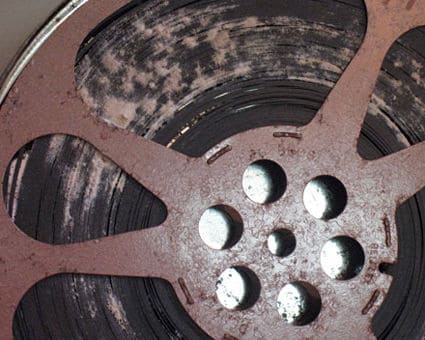
Before I restore anything, I need to determine what materials are available. Sometimes I'm fortunate enough to work with the original camera negative. Other times, I may only have access to duplicate prints or reels that have been stored in less-than-ideal conditions for decades.
The first inspection is always fascinating. I look for scratches, torn perforations, mold, dirt, fading colors, warped film stock, and signs of vinegar syndrome—a form of chemical deterioration that can permanently damage film.
Understanding the condition of the source material helps me decide how much restoration will be needed and what challenges lie ahead.
Cleaning Before Scanning
One of the most overlooked parts of restoration happens before the film ever reaches a film scanner.
Every reel must be carefully cleaned to remove dust, dirt, grease, and loose debris. Any contaminants left on the film can appear as imperfections in the digital scan, making later restoration more difficult.
Physical repairs also happen at this stage. Broken splices are repaired, damaged sections are reinforced, and any fragile portions are handled with extreme care to avoid causing additional damage.
The cleaner the original film, the better the final digital image will be.
Capturing Every Detail
Once the film is prepared, I scan it at a very high resolution—often 4K or higher.
People sometimes ask why I scan old movies at such high resolutions when they weren't originally created digitally.
The answer is simple: film contains an incredible amount of detail.
Even movies shot many decades ago can reveal textures, facial expressions, costumes, and set designs that were impossible to appreciate in older home video releases. High-resolution scanning preserves as much information as possible, giving me the best foundation for restoration.
Every frame is captured individually, resulting in hundreds of thousands of digital images for a feature-length film.
Removing Years of Damage
This is the stage most people imagine when they think about restoration.
Using specialized restoration software, I begin removing the visible damage that has accumulated over decades.
Some of the most common issues include:
Dust and dirt spots Scratches Flickering brightness Image instability Missing frames Film grain inconsistencies
Modern restoration tools can automatically detect many defects, but automation is never perfect.
I spend countless hours reviewing scenes frame by frame, correcting mistakes that software simply cannot understand. A scratch crossing an actor's face or an important detail in the background often requires manual attention.
Patience is one of the most valuable skills in this profession.
Restoring Color Without Rewriting History
Color restoration is one of the most rewarding—and challenging—parts of the process.
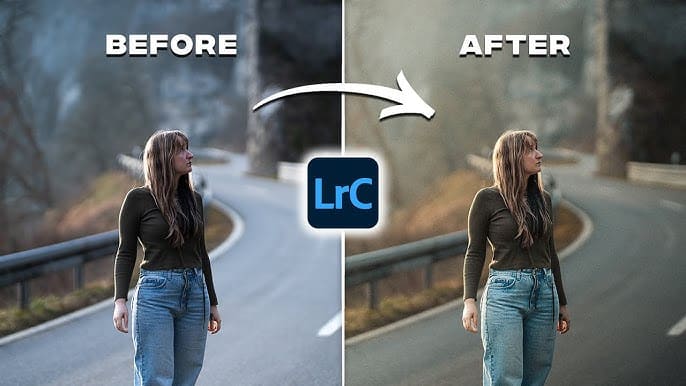
 Older films often fade over time, with certain colors disappearing faster than others. The goal isn't to make an old movie look modern. My job is to recreate how the filmmakers intended the film to appear when audiences first saw it.
Whenever possible, I reference production notes, surviving release prints, TV series on DVD, and historical photographs.
It's tempting to oversaturate colors or increase contrast simply because modern displays allow it, but restraint is essential. A successful restoration respects the original artistic vision rather than replacing it.
Stabilizing the Image
Age causes film to shrink, stretch, and warp.
As a result, old footage may appear shaky or unstable even if it was originally photographed perfectly.
Digital stabilization helps eliminate unwanted movement while preserving intentional camera motion. The goal is to make the viewing experience comfortable without making the film feel artificially smooth or processed.
Sometimes the best restoration is the one viewers never notice.
Giving New Life to the Sound
Visual restoration often gets the spotlight, but audio restoration is equally important.
Old soundtracks frequently suffer from hiss, pops, clicks, distortion, and background noise.
Using digital audio tools, I carefully reduce unwanted noise while preserving dialogue, music, and sound effects. Overprocessing can make voices sound unnatural, so every adjustment requires careful listening.
A beautifully restored picture deserves equally clear audio.
Knowing When to Stop
One of the biggest misconceptions about restoration is that every imperfection should disappear.
I don't believe that's always true.
Film has character. A small amount of natural grain is part of its identity. Removing every trace of it can leave a movie looking overly smooth and artificial.
The best restorations strike a balance between preservation and presentation.
My goal isn't to erase history—it's to help audiences experience it as closely as possible to the way the filmmakers intended.
Why Film Restoration Matters
Every restored film is a piece of cultural history saved for future generations.
Without restoration, countless movies would continue to deteriorate until they were eventually lost forever. Some films have already disappeared because no one preserved them in time.
Every project I work on reminds me that I'm not just repairing damaged footage. I'm helping preserve stories, performances, craftsmanship, and moments in cinematic history that deserve to be seen again.
When viewers watch a restored classic in stunning 4K, they often notice the sharp picture, vibrant colors, and clean sound. What they don't see are the hundreds of hours spent cleaning frames, correcting damage, researching historical references, and making thousands of tiny decisions along the way.
And honestly, that's exactly how it should be.
If the restoration disappears and only the film remains, then I've done my job.